
One of the biggest challenges in grocery retail is not peak-hour demand — it is what happens in between.
For one grocery operator, the issue was clear: certain periods of the day consistently underperformed. Afternoon traffic slowed, fresh items moved more slowly, and in-store promotions were not agile enough to create demand at the right moment. Like many retailers, the store relied on static pricing and manual promotional processes, which made it difficult to react to hourly changes in shopper behavior.
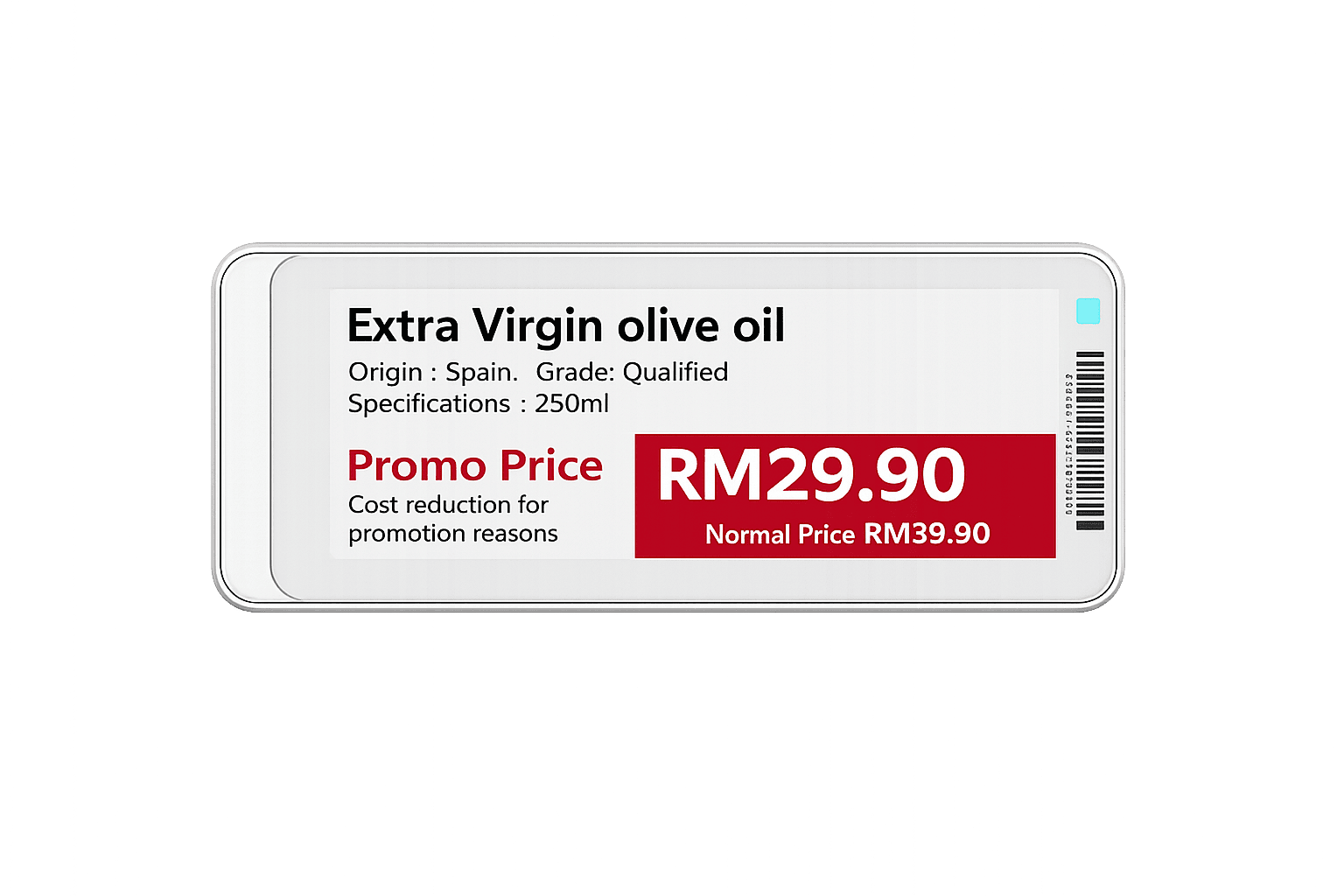
To solve this, the retailer deployed electronic shelf labels (ESL) together with PriceBrain, an AI-powered retail pricing platform designed to help stores make smarter pricing decisions and execute them instantly.
The first step was visibility. PriceBrain analyzed store data across hourly sales trends, category performance, product movement, and inventory levels. This made it easier to identify exactly where the store was losing momentum during quieter periods. Instead of relying on broad assumptions, the retailer could see which categories were most affected during slow hours and where pricing changes were most likely to have an impact.
The second step was action. With ESL installed across key categories, the store could push price changes to the shelf in real time. Using PriceBrain, the team created targeted off-peak pricing strategies for products such as ready meals, bakery items, beverages, and produce. Rather than running all-day discounts, the store could now apply limited-time offers during specific hours when sales typically softened.
For example, selected items could be discounted during low-traffic afternoon windows to improve sell-through, while other products could be adjusted later in the day to support inventory movement before closing. These changes were applied automatically to the shelf labels, removing the need for staff to replace paper tags manually.
This combination of pricing intelligence and instant execution gave the retailer a new level of control. The store was no longer treating slow hours as dead space in the trading day. Instead, it began using them as a strategic window to stimulate demand, improve inventory turnover, and recover missed revenue opportunities.
Just as importantly, PriceBrain helped the team measure results. The retailer could see which promotions performed best, which categories responded most strongly, and how pricing changes influenced sales and margin. That feedback loop made it possible to continuously refine the strategy over time.
The outcome was simple but powerful: a smarter way to drive sales during hours that had previously been overlooked.
For grocery retailers looking to improve off-peak performance, ESL and PriceBrain create a practical path to faster execution, more responsive pricing, and stronger in-store revenue performance.